Sustainable Packaging Design in the UK: Practical Choices for Brands
Customers increasingly notice and care how products are packaged, and UK regulation of packaging is tightening. For brands, sustainable packaging is no longer a side project. It is part of how the product is designed, priced and sold.
It is also easy to get wrong. Well-meaning choices can increase environmental impact, and vague green claims can attract criticism or legal problems. This guide covers how to approach it sensibly.
What "sustainable" means in practice
There is no single definition, and trade-offs are unavoidable. Useful questions include:
- Does the pack use less material overall?
- Is it made from recycled or responsibly sourced content?
- Can it actually be recycled, reused or composted where your customers live?
- Does it protect the product so that less is wasted?
- Is it efficient to transport and store?
The best answer is often the simplest: use less, use materials that can be processed locally, and design out waste.
Start with the product and the journey
The most sustainable pack is one that prevents damage, because wasted product usually costs more environmentally than the pack itself. Map the journey from factory to customer to bin and consider:
- How the product is stored and shipped
- How it is displayed and opened
- How the customer uses and disposes of it
- Whether a refill, reuse or return system is realistic
Materials: common options and caveats
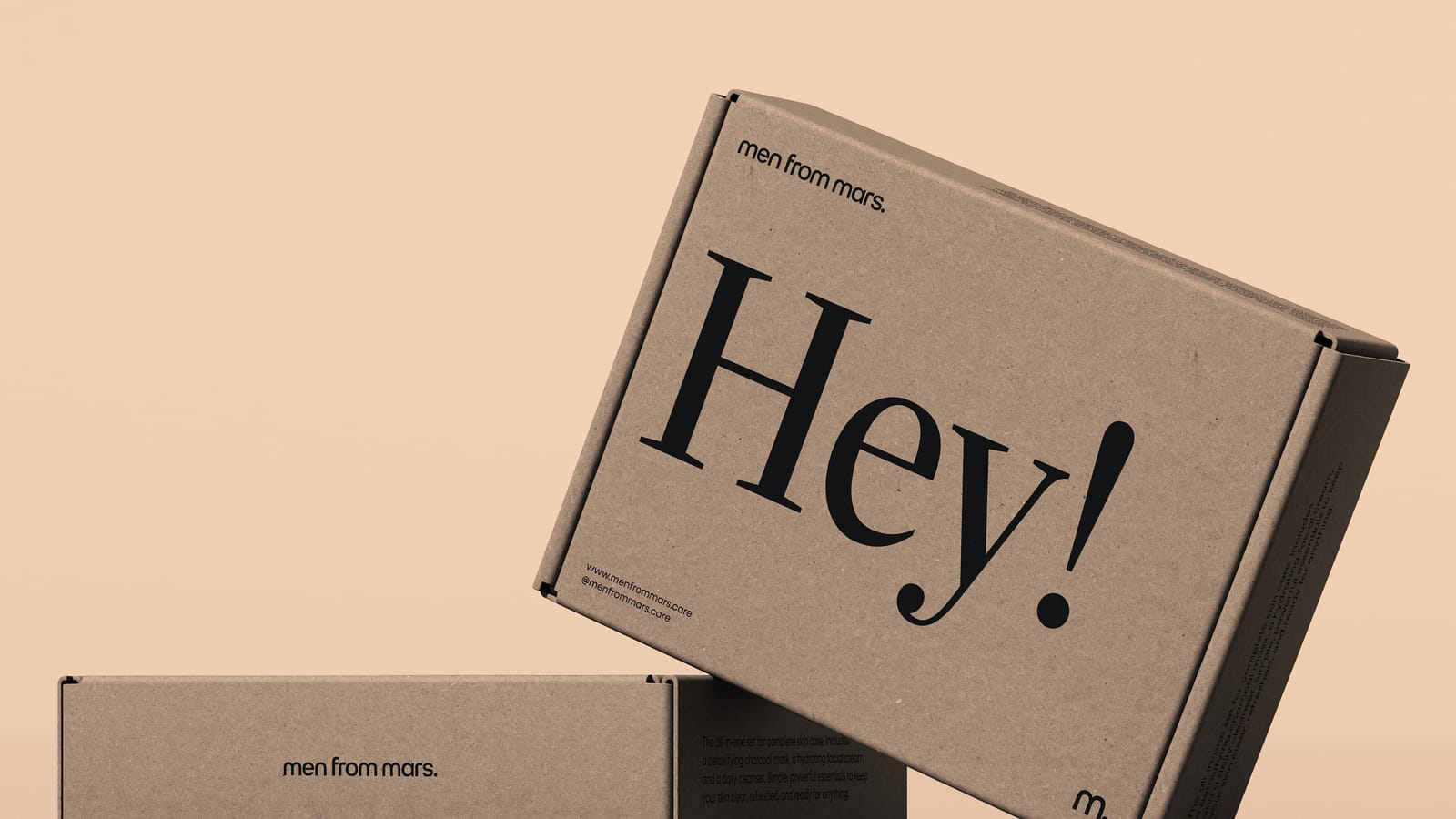
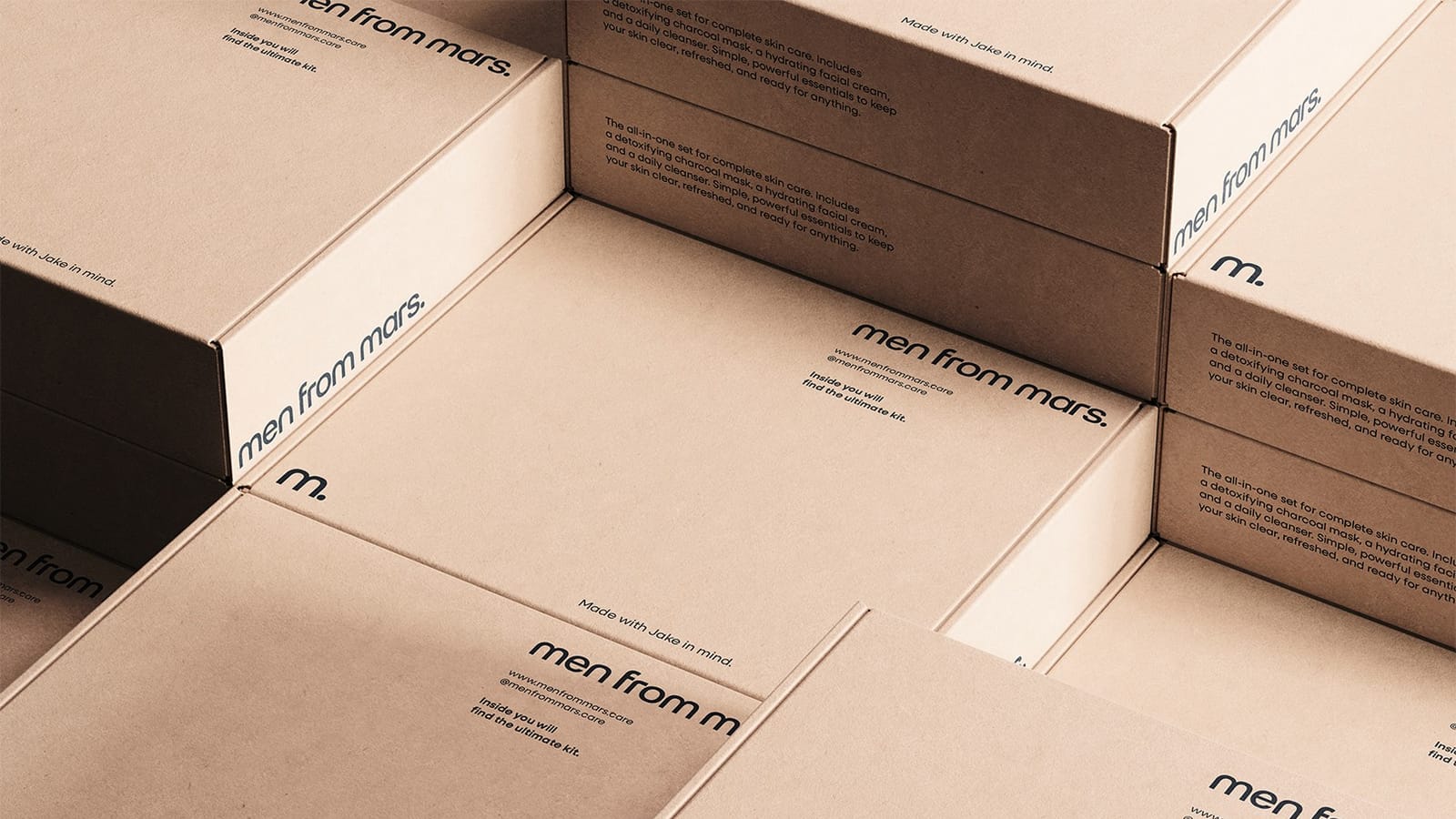
Paper and card. Widely recycled in the UK and often an easy choice. Check for coatings, laminates and plastic windows, which can complicate recycling.
Glass. Infinitely recyclable and premium, but heavy, which affects transport.
Metal. Aluminium and steel are widely recycled, with strong value in the recycling stream.
Plastics. Some types are recycled more readily than others. Mixed or multi-layer plastics and flexible films are harder to process. Consider whether plastic is truly needed.
Compostable and biodegradable materials. These only help if customers have suitable facilities and the pack is clearly labelled. Often they cannot go in household recycling.
Reusable formats. Refillable containers and tins can extend life, but they need real customer behaviour to deliver benefits.
Material decisions should come from a clear understanding of what your customer's local services can accept.
Design choices that reduce impact
- Right-size the pack. Avoid oversized boxes and unnecessary void fill.
- Simplify. Use fewer components and mono-materials where possible.
- Limit finishes. Foils, laminates and glossy coatings can interfere with recycling.
- Choose inks and adhesives carefully. Ask printers about options.
- Design for disassembly. Make it easy for customers to separate parts.
- Plan for a range. A consistent format can reduce waste in production and storage.
Labelling and communication
Clear disposal instructions help customers do the right thing. Use recognised recycling labelling where it applies, and keep claims specific and accurate.
Avoid vague phrases such as "eco-friendly" or "green" without evidence. The UK's advertising and consumer regulators expect environmental claims to be clear and substantiated, so check current guidance from the Advertising Standards Authority and the Competition and Markets Authority before making them.
Regulation to be aware of
UK packaging rules are changing. Producer responsibility schemes, plastic packaging taxes and recycling labelling requirements may apply depending on the size of your business and the materials you use. Because details evolve, check the latest government guidance or take advice from a compliance specialist before finalising designs.
Balancing sustainability with brand
Sustainable packaging should still look and feel like your brand. Premium and sustainable are not opposites: restrained design, quality paper stocks and clever structure can feel more considered than a heavily finished plastic pack. Align it with your positioning. See brand strategy versus brand identity.
Questions to ask your packaging designer
- What are the lightest, simplest options that meet the brief?
- Which materials can be recycled in the UK, and how?
- What would change if we reduced the number of components?
- What are the cost and minimum order implications?
- How should we describe the pack's environmental features honestly?
Our packaging design process shows where these decisions fall, and the packaging brief template includes a section for sustainability goals.
Frequently asked questions
Is paper always better than plastic?
Not always. It depends on weight, coatings, product protection and how each material is processed. Evaluate the whole system.
Does sustainable packaging cost more?
Sometimes, particularly at small volumes, but simplification and right-sizing can reduce costs. Get quotes for several options.
How do I avoid greenwashing?
Make specific, true claims, back them with evidence and avoid implying more than you can prove.
Can you help us redesign our packaging?
Yes. See our packaging design services, or book a free brand consultation.